How to Care for an African Fat-Tailed Gecko: A Complete Beginner's Guide
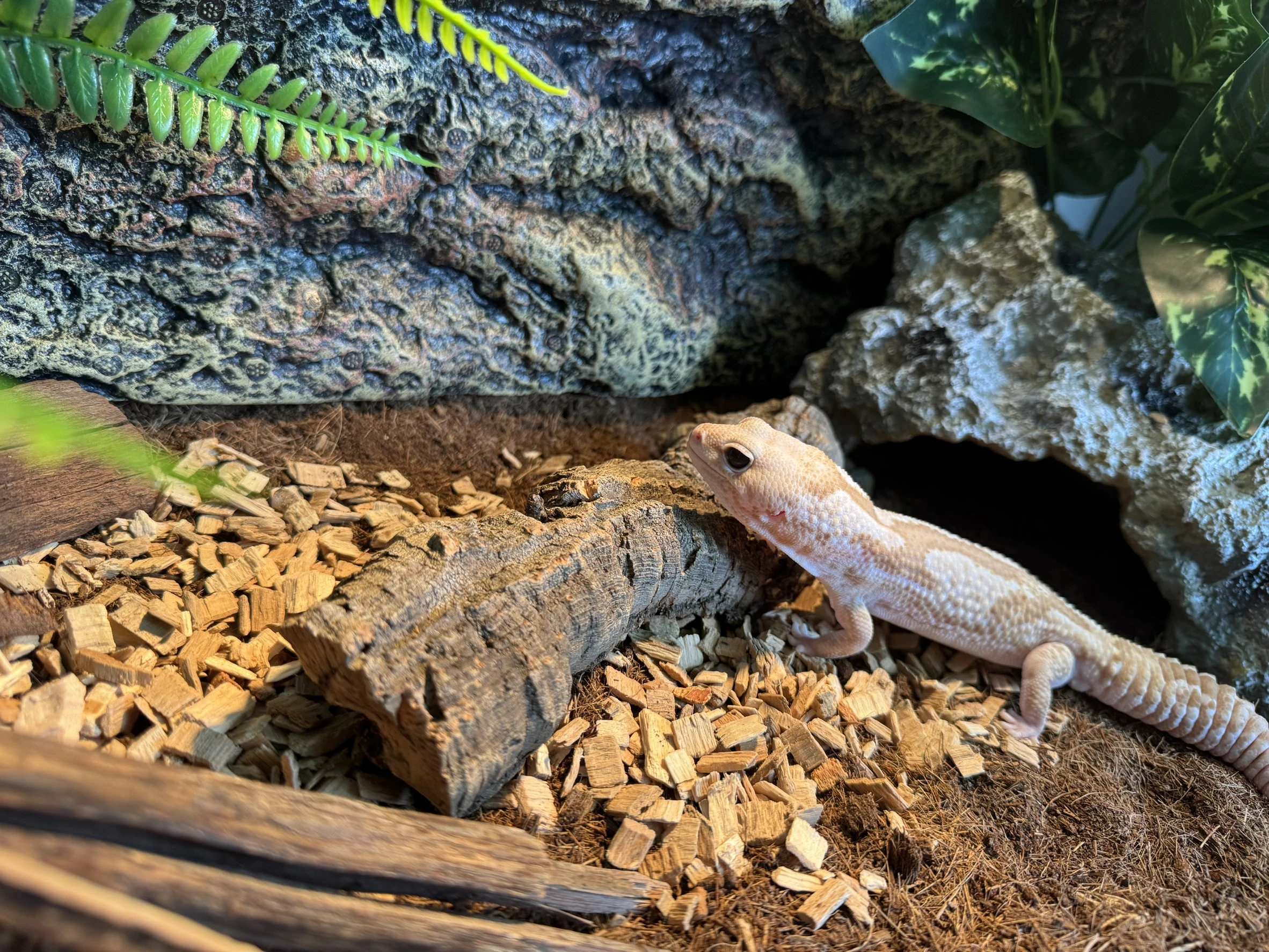
The African Fat-Tailed Gecko (AFT) has become increasingly popular among reptile enthusiasts in recent years. With its adorable appearance, calm temperament, and relatively simple care requirements, it is considered one of the best reptiles for beginners.
Although African Fat-Tailed Geckos are generally easy to care for, maintaining their long-term health requires proper enclosure setup, temperature management, nutrition, humidity control, and daily husbandry.
In this guide, we'll walk you through the essential care requirements to help you a healthy and comfortable environment for your gecko.
1. Enclosure Setup
African Fat-Tailed Geckos are nocturnal, terrestrial reptiles, meaning they spend most of their time on the ground rather than climbing. They do not require tall enclosures, but they do need a secure, quiet environment with plenty of hiding places.
A basic enclosure should include:
- A reptile enclosure or plastic tub
- Hide(s)
- Water dish
- Humid hide
- Suitable substrate
Because African Fat-Tailed Geckos are naturally shy, providing multiple hiding spots helps reduce stress, encourages natural behavior, and improves feeding consistency.
Recommended Substrates
Depending on your husbandry style, common substrate options include:
- Paper towels (ideal for beginners and easy cleaning)
- Reptile carpet or reptile mats
- Natural soil or bioactive substrate
For first-time keepers, paper towels are highly recommended because they are inexpensive, hygienic, and make it easier to monitor your gecko's health.
2. Temperature Control Is Essential
African Fat-Tailed Geckos thrive in warm environments. Maintaining proper temperatures is essential for healthy digestion, metabolism, and immune function.
Recommended temperature gradient:
- Warm Side: 30–32°C (86–90°F)
- Cool Side: 24–27°C (75–81°F)
- Nighttime: Temperatures may slightly but should remain above 22°C (72°F).
Most keepers use:
- Under-tank heating pads
- Ceramic heat emitters
- Thermostats
Using a reliable thermostat helps maintain stable temperatures and reduces the risk of health problems.
Temperatures that are too low may result in:
- Loss of appetite
- Poor digestion
- Reduced activity
- Weakened immune system
Proper temperature management is one of the most important aspects of African Fat-Tailed Gecko care.
3. Diet and Nutrition
African Fat-Tailed Geckos are insectivores and should be fed a varied diet of live feeder insects.
Common feeder insects include:
- Crickets
- Dubia Roaches
- Mealworms
- Superworms
Among these, crickets are commonly used as the primary feeder by many professional breeders because they provide balanced nutrition and encourage natural hunting behavior.
To maintain good health, feeder insects should also be supplemented regularly with:
- Calcium powder
- Multivitamins
- Vitamin D3 (as needed, depending on your husbandry setup)
Proper supplementation helps prevent calcium deficiency and Metabolic Bone Disease (MBD).
Growing juveniles and breeding females have higher nutritional requirements and should receive appropriate supplementation accordingly.
4. Humidity and Shedding
Compared with Leopard Geckos, African Fat-Tailed Geckos require slightly higher humidity levels.
Providing adequate humidity helps ensure healthy shedding and overall skin condition.
Recommended humidity accessories include:
- Humid hide
- Moist hide box
These help your gecko:
- Shed successfully
- Maintain proper hydration
- Reduce the risk of retained shed
If humidity remains too low for extended periods, problems such as the following may occur:
- Retained shed on toes
- Retained shed on the tail
- Incomplete shedding
Regularly checking your gecko during shedding and maintaining a properly humid hide are important parts of routine care.
5. Common Beginner Mistakes
New keepers often encounter the following issues:
- Refusing food after arriving in a new home
- Temperatures that are too low
- Handling too frequently
- Unstable humidity
- Inadequate nutritional supplementation
Fortunately, most African Fat-Tailed Geckos adapt well once they become familiar with their new environment.
During the first few days after bringing your gecko home, it is recommended to:
- Avoid excessive handling
- Keep the enclosure in a quiet location
- Maintain stable temperature and humidity
- Provide sufficient hiding places
Giving your gecko time to settle in will greatly reduce stress and encourage normal feeding behavior.
Conclusion
African Fat-Tailed Geckos are excellent beginner reptiles thanks to their gentle temperament, manageable care requirements, and charming appearance.
To keep your gecko healthy and thriving, remember these key points:
✔ Maintain a proper temperature gradient
✔ Provide a balanced insect-based diet with appropriate supplements
✔ Keep adequate humidity for healthy shedding
✔ Offer a secure enclosure with multiple hiding places
With proper care, most African Fat-Tailed Geckos can live healthy, active lives for many years.
Whether you're keeping one as a pet or planning to begin captive breeding in the future, building a strong foundation in proper husbandry is the first step toward long-term success.
R.T Reptile Trading specializes in captive-bred African Fat-Tailed Geckos, Leopard Geckos, and other reptile species. We are committed to providing healthy, legally sourced, high-quality reptiles while sharing professional husbandry knowledge with reptile enthusiasts around the world.
-

How to Calculate the Cost of Importing Live Reptiles?
-
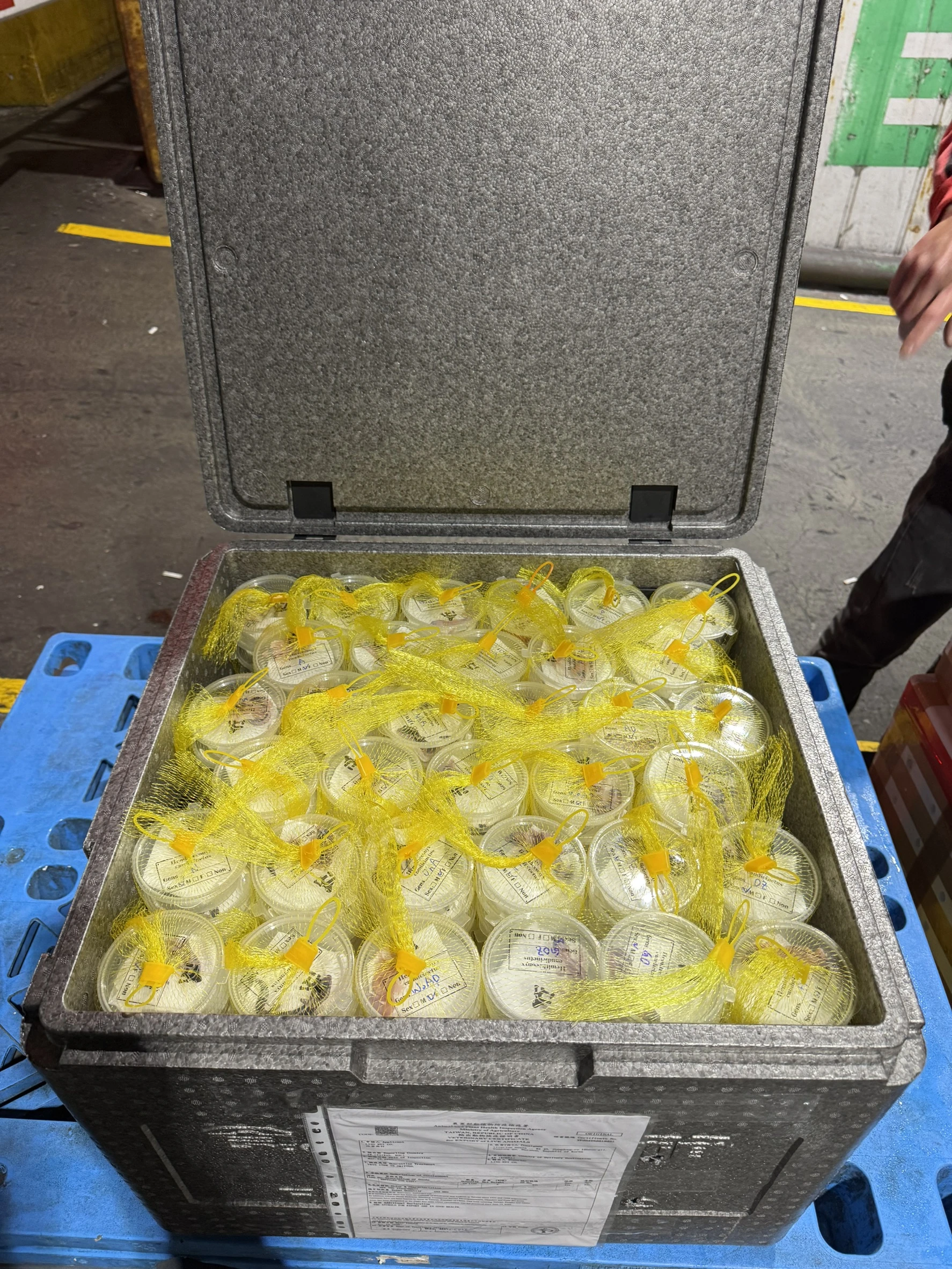
Reptile Export Regulations and Requirements: A Complete Guide to International Reptile Trade
-

How to Export Geckos from Taiwan: A Practical Guide for International Buyers (Leopard Geckos & Fat-tailed Geckos)
-
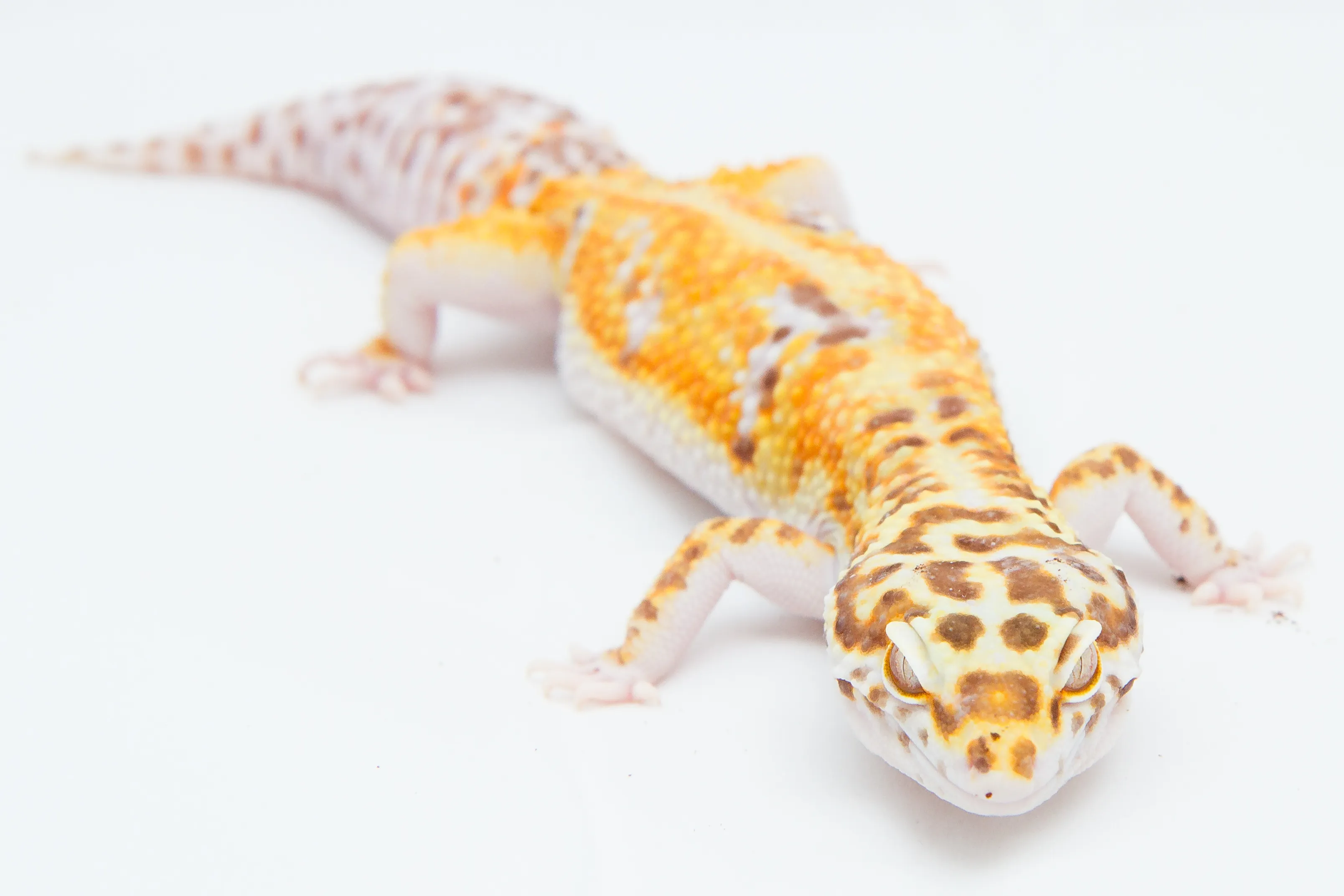
Safe & Secure Gecko Shipping Species Covered: Leopard Gecko / Fat-tailed Gecko / Leopard Gecko Taipei / Fat-tailed Gec