首頁 > News > 每周文章 > Reptile Export Regulations and Requirements: A Complete Guide to International Reptile Trade
Reptile Export Regulations and Requirements: A Complete Guide to International Reptile Trade
Reptile Export Regulations and Requirements: A Complete Guide to International Reptile Trade
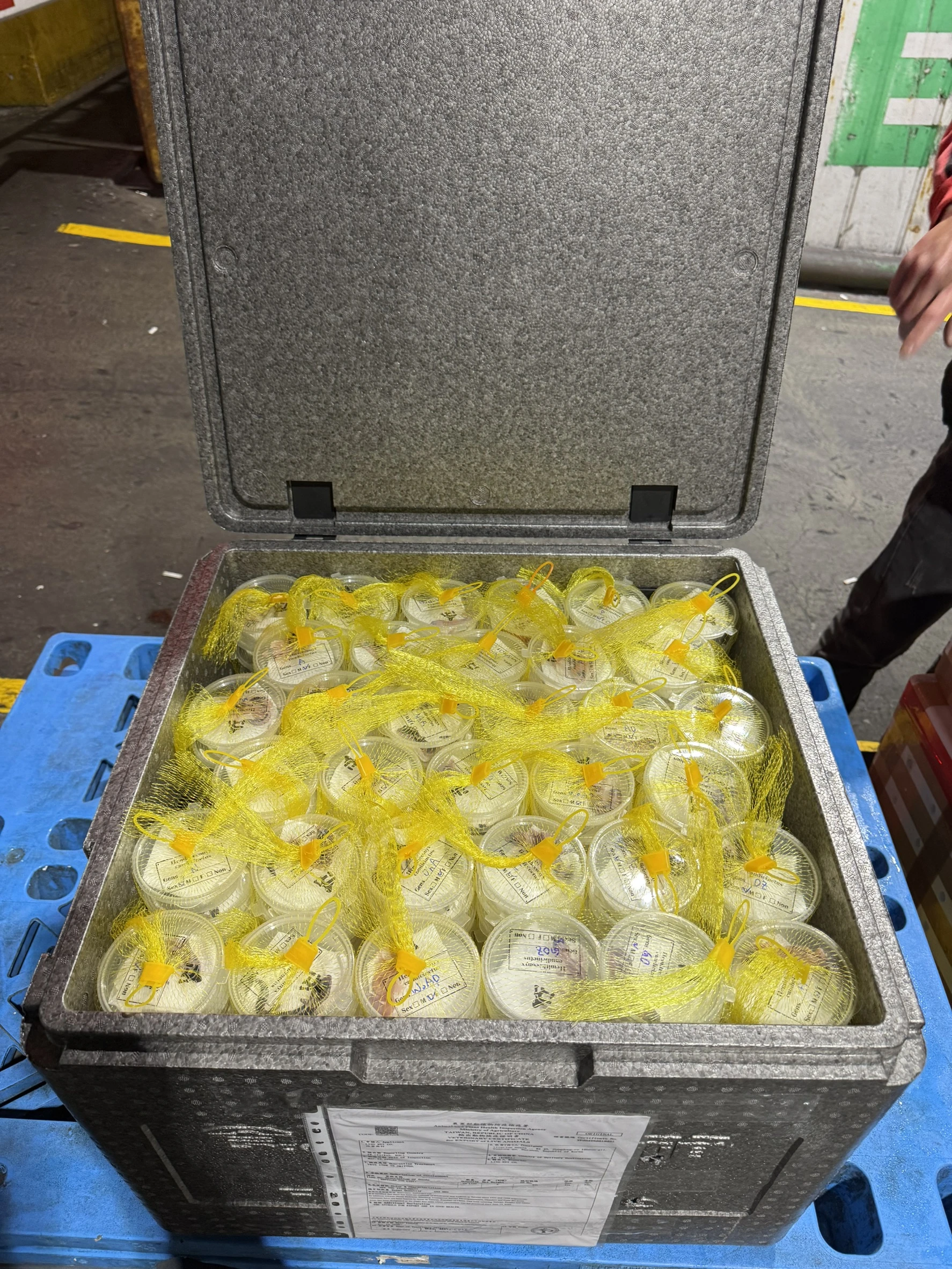
As the global reptile market continues to grow, more breeders and traders are entering the international export industry. However, reptiles are not ordinary products that can simply be sold and shipped overseas. Since live animals are involved, exports must comply with wildlife conservation laws, animal welfare standards, quarantine requirements, and import/export regulations in different countries.
Popular species such as African Fat-Tailed Geckos, Leopard Geckos, Bearded Dragons, and various snakes may be regulated differently depending on the destination country. Failure to comply with regulations can result in shipment delays, confiscation, fines, or even export restrictions.
1. Determine Whether the Species Is Protected Under CITES
One of the most important regulations in international reptile trade is CITES (the Convention on International Trade in Endangered Species of Wild Fauna and Flora).
CITES regulates international trade in wildlife species to ensure that commercial activities do not threaten their survival in the wild.
Examples of reptiles commonly regulated under CITES include:
Ball Pythons
Most tortoise species
Certain monitor lizards
Some chameleon species
Various snakes and lizards
If a species is listed under CITES, exporters may need to obtain:
CITES Export Permit
Proof of Legal Origin
Captive-Bred Documentation
Without the required documents, customs authorities in many countries may refuse entry.
2. Animal Health Certificates and Quarantine Requirements
Most countries require an official Health Certificate when importing live reptiles.
These certificates are generally issued after inspection by:
Government quarantine authorities
Official veterinarians
Agricultural regulatory agencies
Requirements vary by country and may include:
Original health certificate documents
Specific certificate formats
Issuance within a designated time frame
Flight information details
Errors, missing signatures, or incorrect dates may result in customs clearance failure.
3. Import Regulations Differ by Country
Many first-time exporters overlook an important fact:
Just because a reptile can be exported does not mean it can be imported.
Different countries have different regulations, including:
Prohibited species lists
Import permit requirements
Quantity restrictions
Mandatory quarantine procedures
Therefore, exporters should verify both Taiwan's export requirements and the destination country's import regulations before shipping.
4. Live Animal Transportation Standards
International reptile shipments must generally comply with airline requirements and IATA (International Air Transport Association) Live Animals Regulations.
These requirements may cover:
Packaging methods
Ventilation systems
Temperature control
Container materials
Shipping labels and markings
Airlines may reject shipments that fail to meet these standards.
Because reptiles are highly sensitive to temperature fluctuations, professional exporters often use:
Insulation materials
Temperature-controlled packaging
Seasonal shipping schedules
Optimized flight routes
to minimize transportation risks.
5. The Importance of Legal and Captive-Bred Sources
International markets increasingly emphasize:
Legal breeding practices
Captive-bred (CB) animals
Animal welfare standards
Traceability
Many countries are also strengthening restrictions on wild-caught (WC) animals.
Maintaining accurate breeding records and source documentation is essential for long-term success in international reptile trade.
Conclusion
Exporting reptiles involves far more than simply selling animals. It requires professional knowledge of regulations, health certification, logistics, and international trade procedures.
To build a sustainable export business, exporters should understand:
✔ CITES regulations
✔ International import and export restrictions
✔ Health certificate procedures
✔ Live animal transportation requirements
✔ Legal breeding and traceability standards
A complete and compliant export process not only reduces risks but also builds trust with international customers and supports long-term business growth.
At R.T Reptile Trading, we are committed to providing legally sourced, healthy, and high-quality reptiles while assisting our clients with professional export solutions worldwide.
-
How to Care for an African Fat-Tailed Gecko: A Complete Beginner's Guide
-

How to Export Geckos from Taiwan: A Practical Guide for International Buyers (Leopard Geckos & Fat-tailed Geckos)
-

How to Calculate the Cost of Importing Live Reptiles?
-
Safe & Secure Gecko Shipping Species Covered: Leopard Gecko / Fat-tailed Gecko / Leopard Gecko Taipei / Fat-tailed Gec